41 nutrient content claims on food labels
Understanding Food Labels and Health Claims - Nutrition Essentials This label is called a Nutrition Facts panel, which gives information on the number of servings per container, the number of calories per serving, and certain nutrients. Specifically, it lists the macronutrients and four of the most important micronutrients people need to pay special attention to, such as Vitamin D, Calcium, Iron, and potassium. Nutrient Claims on Food Labels - Truly Good Foods Nutrient Claims on Food Labels July 19, 2018 Nutrient claims describe the content of a food, including the amount of nutrients, calories, cholesterol or fiber, but not in exact amounts. Usually on the front of the food label, the nutrient claim provides a quick comparison between similar products.
Nutrition, health and related claims - Food Standards Standard 1.2.7 - Nutrition, health and related claims in the Food Standards Code (the Code) set out requirements for making nutrition content and health claims about food. Find out more about the Standard and the different types of claims. The Implementation Subcommittee for Food Regulation (ISFR) has guidance on how to comply with Standard 1 ...

Nutrient content claims on food labels
Regulating health claims on food labels using nutrient profiling: what ... Objective: Proposed Australian regulation of claims on food labels includes requirements for products carrying a health claim to meet nutrient profiling criteria. This would not apply to nutrition content claims. The present study investigated the number and healthiness of products carrying claims and the impact of the proposed regulation. Nutrient Content - an overview | ScienceDirect Topics D. McCrea, in Encyclopedia of Food Safety, 2014 Nutrient Content. A nutrient content claim is a nutrition claim that describes the level of a nutrient contained in a food, such as, 'source of calcium' and 'low in fat.' Reference levels at which a content claim can be used are specified in international and national legislations. For example, to make a claim of low fat, the table of ... Understanding Food Labels | The Nutrition Source | Harvard T.H. Chan ... Under the Food Allergen Labeling and Consumer Protection Act of 2004, eight major food allergens—milk, fish, tree nuts, peanuts, shellfish, wheat, eggs, and soybeans—are required to be listed in a "contains" statement near the Ingredients list if present in a food. An example would be "contains wheat, milk, and soy."
Nutrient content claims on food labels. Nutrient Content Claims on a Food Label - LabelCalc The food product nutrition content must meet the strict guidelines and parameters set forth by the FDA in order to accurately make these nutrient content claims on a food label. For a more in-depth look at nutrient content claims, download this PDF. A Quick Reference Summary of Parameters Label Claims for Food & Dietary Supplements | FDA Among the claims that can be used on food and dietary supplement labels are three categories of claims that are defined by statute and/or FDA regulations: health claims, nutrient content claims,... Making a nutrient content claim on food labels - Food label ... Altering Nutrient Content Claims; Nutrient Content Claim Alteration Examples; Words, numbers, signs or symbols may accompany a label or advertising claim, providing they precede or follow the statement or claim, but are not interposed between the words of the statement or claim (subject to the requirements set out in the next three rows in this table) [B.01.511(1), FDR]. PDF Food Labels: Nutrient Content Claims - NCpedia Calcium and osteoporosis: To carry this claim, a food must contain 20 percent or more of the Daily Value for calcium (200 mg) per serving, have a calcium content that equals or exceeds the food's content of phosphorus, and contain a form of calcium that can be readily absorbed and used by the body.
Nutrient Claims on Food Labels | Home & Garden Information Center Sodium content cannot exceed 360 mg per serving for individual foods and 480 mg per serving for meal-type products. If a food is labeled "healthy" or makes a health claim, it cannot contain any nutrient that increases the risk for disease. It must contain no more than 20% of the DV per serving of total fat, saturated fat, cholesterol, or sodium. 2.6: Understanding Food Labels - Medicine LibreTexts Any nutrient content claims on food labels must meet certain requirements. For example, a manufacturer cannot claim that a food is fat-free or low-fat if it is not, in reality, fat-free or low-fat. Low-fat indicates that the product has three or fewer grams of fat; low salt indicates there are fewer than 140 milligrams of sodium, and low ... Nutrient Claims on Food Labels - Food Smart Colorado Nutrient content claims describe a food and the level of a particular nutrient in that food. "Low fat" and "High fiber" are both examples of nutrient content claims. These types of claims usually appear on the front of a package and are regulated by the Food and Drug Administration (FDA). Tracking Label Claims - IFT.org - Institute of Food Technologists FLAPS data show that more than half (53.2%) of the products identified in the survey had nutrient content claims. Comparing current estimates to those from the previous survey (LeGault et al., 2004), the prevalence of nutrient content claims on food labels increased primarily for total fat (+4.8%), "healthy" (+4.3%), and calories (+2.7%).
Nutrition content claims and health claims - Food Standards Nutrition content claims are about the content of certain nutrients or substances in a food, such as 'low in fat ' or 'good source of calcium'. These claims need to meet certain criteria. For example, food with a 'good source of calcium' claim needs to contain at least the amount of calcium specified in the Standard. Health claims Health and nutrition claims on food labels - FoodTruths Nutrition content claims relate to the presence, absence or level of nutrients or ingredients in foods. For example, 'gluten free' or 'high in calcium'. If a nutrition claim is made there are conditions that need to be met, for example; to claim that a product is a good source of calcium there is a required minimum level of the nutrient ... Understanding Health Claims on Food Labels - Food Smart Colorado There are a total of 12 health claims approved by the FDA. A complete listing of health claims approved for food labels is available here: #2- Nutrient content claims describe a food and the level of a particular nutrient in that food. "Low fat," and "High fiber" are both examples of nutrient content claims. For a table showing nutrient ... PDF Nutrient Content Claims - Penn NEMS FDA Food label regulations 3 Other claims can be used under special circumstances. For example, "low-calorie" means the meal or main dish contains 120 calories or less per 100 g. "Low-sodium" means the food has 140 mg or less per 100 g. "Low-cholesterol" means the food contains 20 mg cholesterol or less per 100 g and no more than 2 g saturated fat.
PPT - What’s in Your Food? Understanding Food Labels PowerPoint Presentation - ID:4994040
History of Nutrition Labeling - Front-of-Package Nutrition Rating ... Up to the late 1960s, there was little information on food labels to identify the nutrient content of the food. From 1941 to 1966, when information on the calorie or sodium content was included on some food labels, those foods were considered by the Food and Drug Administration (FDA) to be for "special dietary uses," that is, intended to meet particular dietary needs caused by physical ...

How to understand nutritional food labels | Thrive Health and Nutrition Magazine
What are Nutrient Content Claims on food labels? - Nutritionist Pro™ Nutrient Content Claims on Food Panels List energy, fat, carbohydrates, protein, and sodium. The nutritional information panels are a better guide than advertising. If the product contains food-inducing allergens, the label must say so. Some of the healthiest foods don't have labels, including fresh fruit and vegetables, and fish.

Have you noticed that the Nutrition Facts label found on food packages is changing? The ...
Nutrient Content Claim vs Health Claim - LabelCalc Nutrient content claims, which are commonly used on food labels, either refer to the amount of a nutrient in a product or compare the levels of a nutrient in that food to a similar reference food. When referring to the amount of a nutrient in a product, words such as "low," "free," and "high" are often used.
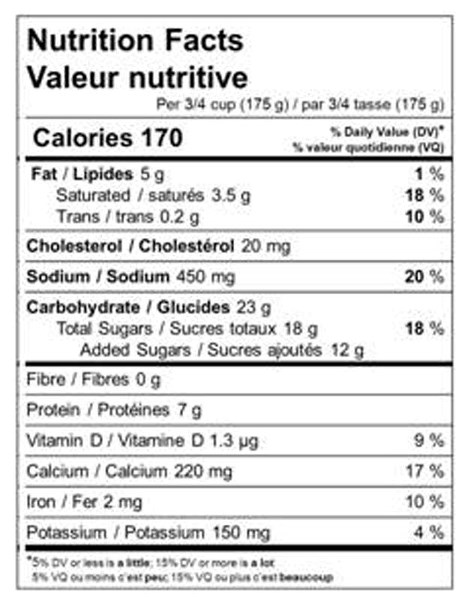
Food label changes get thumbs up from locals - StAlbertToday.ca
Nutrient content claims - Canadian Food Inspection Agency Omega-3 and omega-6 polyunsaturated fatty acid claims. Cholesterol claims. Sodium (salt) claims. Potassium claims. Carbohydrate and sugars claims. Dietary fibre claims. Vitamin and mineral nutrient claims. "Light" claims. Comparative nutrient content claims.

Food Labels - Nutrient Content Claims - YouTube
Nutrition claims - Food Safety A claim that a food is high in omega-3 fatty acids, and any claim likely to have the same meaning for the consumer, may only be made where the product contains at least 0,6 g alpha-linolenic acid per 100 g and per 100 kcal, or at least 80 mg of the sum of eicosapentaenoic acid and docosahexaenoic acid per 100 g and per 100 kcal.

Survey questions and response formats | Download Table
Nutrient content claims: what they mean - Canada.ca Table of nutrient-content claims and what they mean. The food provides an amount of a nutrient that is so small it likely won't have any effect on your body. The food is processed/modified so that it contains at least 25% less of the nutrient when compared with a similar product. Contains no added fats or oils or added butter or ghee, or ...

26 Australian Food Label Requirements - Labels Ideas For You
Food Labeling: Nutrient Content Claims; Alpha-Linolenic Acid ... To enable the public to comprehend the information provided in nutrient content claims and to understand the relative significance of that information in the context of the daily diet, as required by section 403(r)(2)(G)(iv) of the FDC Act, qualifying ALA levels for nutrient content claims in food labeling must be based on a single nutrient ...

How to Read Food Labels - Healthy Living
Nutrient Content Claims | FDA Nutrient Content Claims. See Claims That Can Be Made for Conventional Foods and Dietary Supplements for definitions of claims. Final Rule: Food Labeling: Nutrient Content Claims; Alpha-Linolenic ...

New Nutritional Labels for Meat - USDA
Nutrition claims - Canada.ca There are two types of nutrition claims on foods: nutrient content claims and health claims. These claims must also follow certain rules from Health Canada to make sure that they are consistent and not misleading. These claims are optional and may be found on some food products. Nutrient content claims describe the amount of a nutrient in a food.

An Athlete's Guide To Organic vs. Conventional Foods — Volt Blog
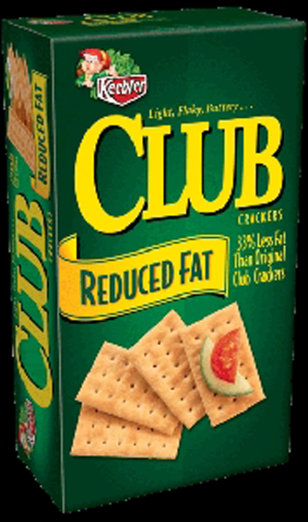
Food Packaging Claims | American Heart Association "Nutrient content claims" are used for two purposes: To describe the level of a nutrient in the product using terms such as free, high, and low or To compare the level of a nutrient in a food to another food using terms such as more, reduced, and lite.

Green & Healthy Magazine
Understanding Food Labels | The Nutrition Source | Harvard T.H. Chan ... Under the Food Allergen Labeling and Consumer Protection Act of 2004, eight major food allergens—milk, fish, tree nuts, peanuts, shellfish, wheat, eggs, and soybeans—are required to be listed in a "contains" statement near the Ingredients list if present in a food. An example would be "contains wheat, milk, and soy."
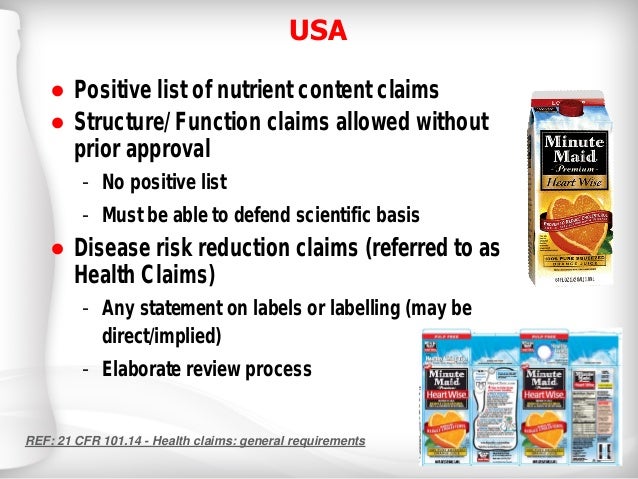
Nutrition and Health Claim - FINAL_Jul2012
Nutrient Content - an overview | ScienceDirect Topics D. McCrea, in Encyclopedia of Food Safety, 2014 Nutrient Content. A nutrient content claim is a nutrition claim that describes the level of a nutrient contained in a food, such as, 'source of calcium' and 'low in fat.' Reference levels at which a content claim can be used are specified in international and national legislations. For example, to make a claim of low fat, the table of ...

Food Labels – Nutrient Content Claims – Monkeysee Videos
Regulating health claims on food labels using nutrient profiling: what ... Objective: Proposed Australian regulation of claims on food labels includes requirements for products carrying a health claim to meet nutrient profiling criteria. This would not apply to nutrition content claims. The present study investigated the number and healthiness of products carrying claims and the impact of the proposed regulation.

Food labels: Simply Understanding Nutrition Facts – Jasmine Pham | Nutrition
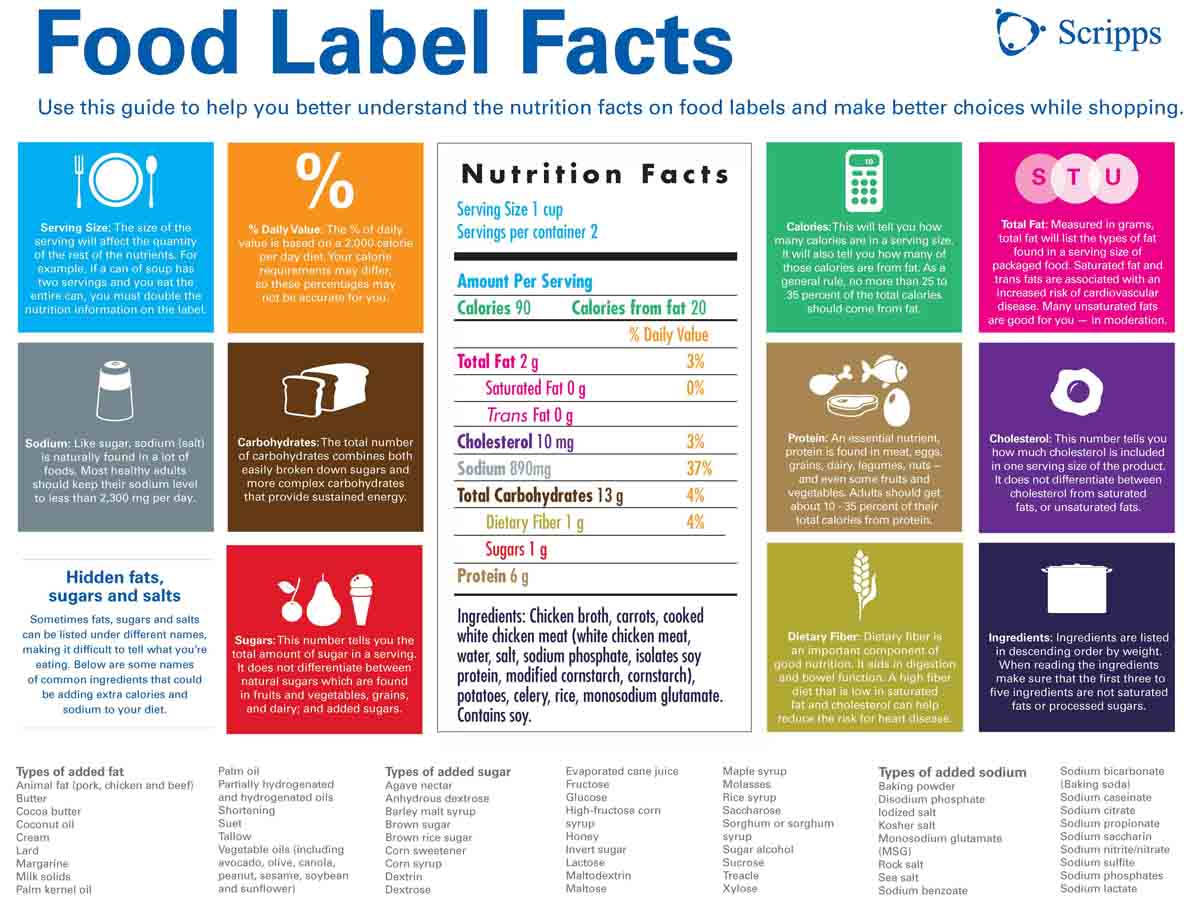
Decoding Nutrition Labels - Scripps Health - San Diego

The Correlation Between Nutrition Label Readability and Nutritiousness of Food Products ...
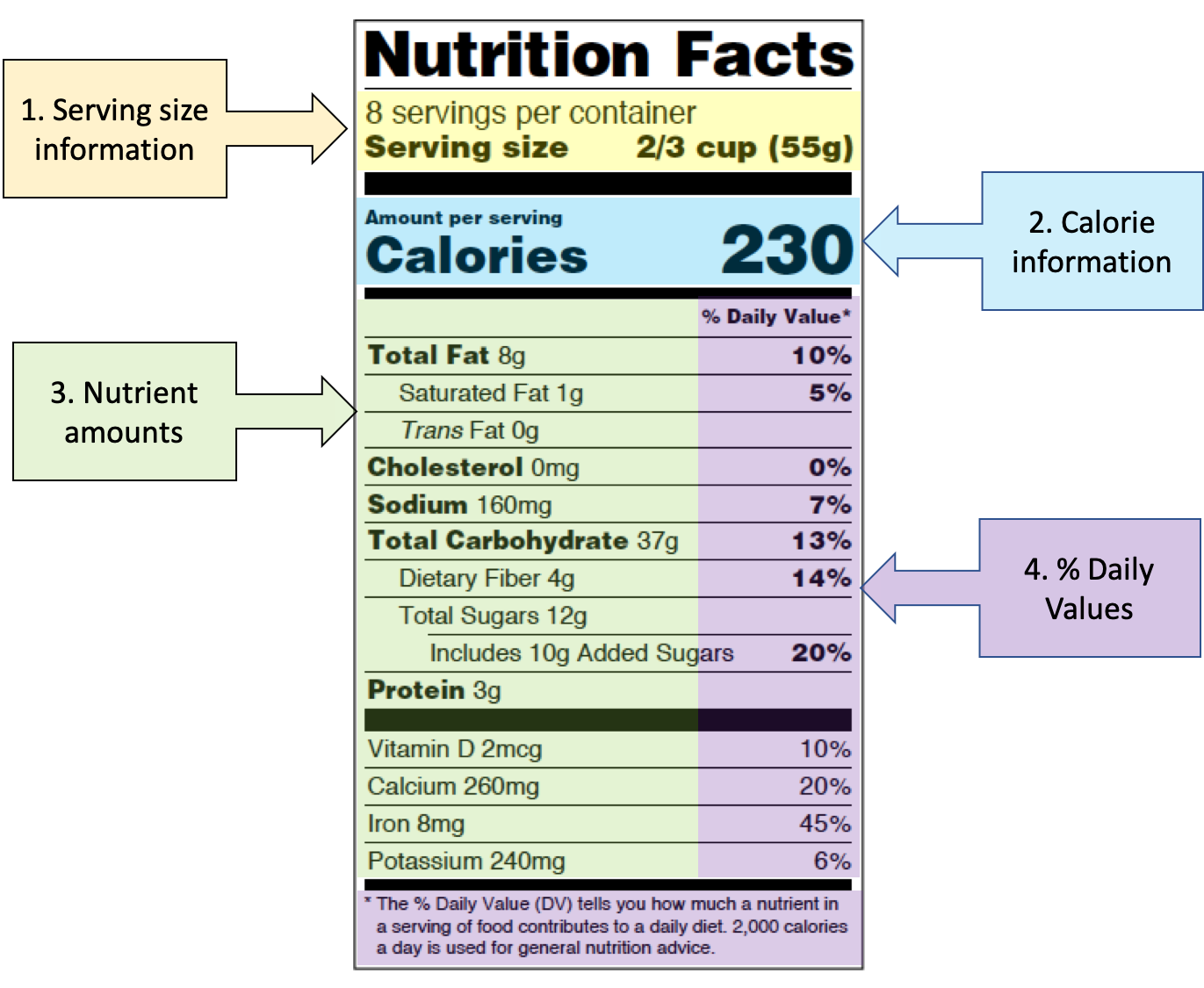
Understanding Food Labels – Nutrition: Science and Everyday Application
FDA working to replace misleading food labels - Health - Diet and nutrition - Chew On This | NBC ...
Post a Comment for "41 nutrient content claims on food labels"